
Are you curious about morel mushrooms? These wild mushrooms are a highly sought-after ingredient among chefs and mushroom enthusiasts due to their earthy, nutty flavor and meaty texture. Unlike farmed mushrooms, morels are only grown in the wild, making them a rare find.
If you’re lucky enough to come across these delicacies, you may be wondering how to use them in your cooking. Morel mushrooms can be prepared in a variety of ways, from sautéing and roasting to adding them to soups and stews. However, it’s important to note that morels must be cooked thoroughly before consumption to avoid potential digestive issues.
In this article, we’ll explore what morel mushrooms are, how to find them, and how to use them in your cooking. Whether you’re a seasoned chef or a curious home cook, you’ll learn everything you need to know about these delicious and nutritious mushrooms.
What Are Morel Mushrooms
If you are a mushroom lover, you may have heard of Morel mushrooms. These are a type of edible mushroom that are highly prized for their unique flavor and texture. In this section, we will explore what Morel mushrooms are, how to identify them, and where they can be found.
Identification
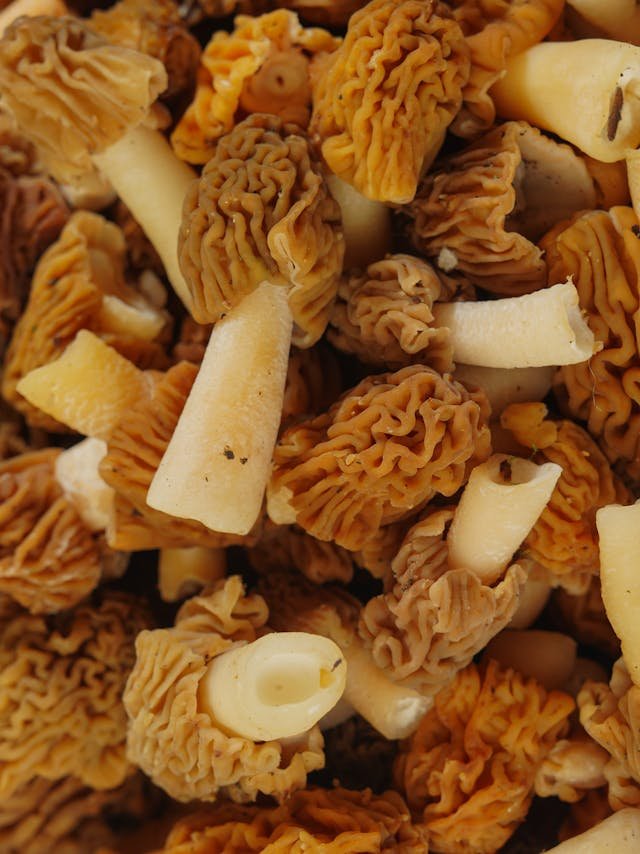
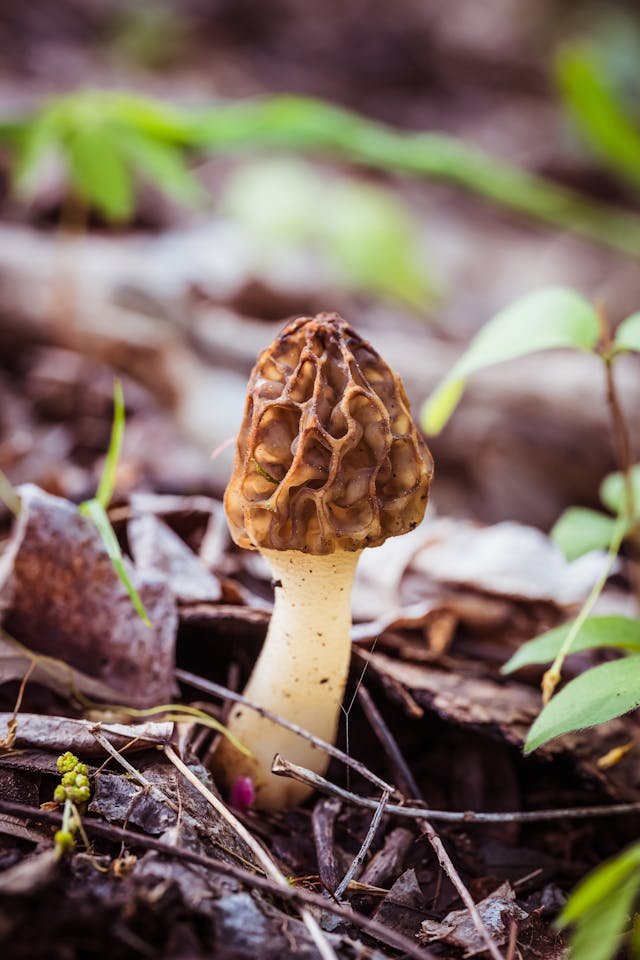
Morel mushrooms are easily identifiable due to their distinctive appearance. They have a cone-shaped cap that is covered in pits and ridges, giving them a honeycomb-like appearance. They are typically tan or brown in color, although some varieties can be black or yellow. The cap is attached to a hollow stem that is usually white or cream-colored.
Habitat
Morel mushrooms can be found in many different types of habitats, including forests, grasslands, and even urban areas. They tend to grow in soil that is rich in organic matter, such as dead leaves or decaying wood. Morels can also be found near trees, particularly ash, elm, and oak trees.
Seasonality
Morel mushrooms are a seasonal delicacy that can be found in the spring and early summer. They typically begin to appear in late March or early April, depending on the weather conditions. The season can last anywhere from a few weeks to a few months, depending on the location and climate.
In conclusion, Morel mushrooms are a highly sought-after delicacy that are prized for their unique flavor and texture. They can be found in many different types of habitats and are typically in season during the spring and early summer. If you are interested in foraging for Morel mushrooms, be sure to do your research and follow all safety guidelines to ensure a safe and enjoyable experience.
Culinary Uses of Morel Mushrooms
Morel mushrooms are a prized ingredient in many cuisines worldwide. They have a distinct earthy, nutty flavor that pairs well with a variety of dishes. In this section, we will discuss some of the best culinary uses of morel mushrooms.
Preparation Tips
Before using morel mushrooms in your cooking, it’s essential to prepare them properly. Here are some tips to help you get the most out of your morels:
- Cleaning: Morels can be quite dirty, so it’s important to clean them thoroughly. Use a soft brush or cloth to remove any dirt or debris from the surface of the mushroom. You can also rinse them briefly under cold running water, but be sure to dry them thoroughly before cooking.
- Rehydration: If you’re using dried morels, you’ll need to rehydrate them before cooking. Soak them in hot water for at least 20-30 minutes, then drain and rinse them thoroughly.
- Storage: Fresh morels are best used within a few days of purchase. If you need to store them, wrap them in a damp paper towel and store them in the refrigerator for up to a week. Dried morels can be stored in an airtight container in a cool, dry place for up to a year.
Cooking Techniques
Morel mushrooms can be used in a variety of cooking techniques, including sautéing, roasting, grilling, and even pickling. Here are some ideas to help you get started:
- Sautéing: Morels are delicious sautéed in butter or oil with garlic, shallots, and fresh herbs. They can be used as a topping for steak or chicken, or as a side dish.
- Roasting: Roasting brings out the natural sweetness of morels. Toss them with olive oil, salt, and pepper, and roast them in the oven until they’re tender and caramelized.
- Grilling: Morels are great on the grill. Skewer them with other vegetables or meats, and grill them until they’re lightly charred and tender.
- Pickling: Pickled morels are a delicious addition to salads, sandwiches, and charcuterie boards. Simply simmer them in a mixture of vinegar, sugar, and spices, and let them marinate for a few days before using.
Recipe Ideas
Here are some recipe ideas to help you incorporate morel mushrooms into your cooking:
- Morel Risotto: This creamy, comforting dish is perfect for showcasing the rich, earthy flavor of morels. Sauté the mushrooms with shallots and garlic, then stir them into a classic risotto with Parmesan cheese and fresh herbs.
- Morel and Asparagus Tart: This elegant tart features a flaky pastry crust filled with sautéed morels, asparagus, and creamy ricotta cheese. It’s perfect for a springtime brunch or lunch.
- Grilled Morel Pizza: This pizza features a crispy crust topped with grilled morels, fresh mozzarella, and a drizzle of truffle oil. It’s a gourmet twist on a classic favorite.
- Pickled Morel Salad: This refreshing salad features pickled morels, fresh greens, and a tangy vinaigrette. It’s perfect for a light lunch or dinner.
Health Benefits and Nutritional Value
Morel mushrooms are not only delicious but also packed with nutrients that can benefit your health. Here are some of the health benefits and nutritional value of morel mushrooms:
High in Vitamin D
Morel mushrooms are one of the few food sources that contain vitamin D, which is important for bone health, immune function, and overall well-being. In fact, one cup of morel mushrooms contains 136 IU of vitamin D, which is 27% of your daily value. Vitamin D is essential for calcium absorption, and it also helps regulate the immune system.
Rich in Iron
Morel mushrooms are also a good source of iron, which is important for carrying oxygen throughout the body. A 100-gram serving of morel mushrooms contains 12.2 milligrams of iron, which fulfills the entire daily iron requirement for men and provides more than half of a day’s dose of iron for women. Iron is essential for maintaining healthy blood cells and preventing anemia.
Low in Calories
Morel mushrooms are low in calories, making them a great addition to any diet. One cup of morel mushrooms contains only 20 calories, which is less than 1% of your daily calorie intake. They are also low in fat and high in fiber, which can help you feel full and satisfied.
Other Nutrients
Morel mushrooms are also a good source of other nutrients, including:
- Potassium: important for regulating blood pressure and supporting heart health
- Copper: important for producing red blood cells and maintaining healthy bones and nerves
- Niacin: important for converting food into energy and maintaining healthy skin, nerves, and digestion
Overall, morel mushrooms are a nutritious and delicious addition to any diet. Whether you enjoy them sautéed, grilled, or in a soup, you can reap the health benefits of this flavorful fungi.
Foraging and Sustainability
Foraging Best Practices
When foraging for morel mushrooms, it’s important to follow some best practices to ensure a sustainable harvest. First, make sure you have the proper equipment, such as a mesh bag for collecting the mushrooms. This allows the spores to fall back to the ground and helps maintain the population. Additionally, only harvest mature mushrooms that have released their spores and leave the smaller ones behind to grow and reproduce.
It’s also important to avoid over-harvesting in a single area. Morels have a delicate ecosystem, and removing too many mushrooms can damage the habitat and prevent future growth. Instead, spread out your foraging efforts over a larger area and only take what you need.
Conservation Efforts
Conservation efforts are also important to maintain the health and sustainability of morel mushrooms. Organizations such as the North American Mycological Association (NAMA) work to promote the conservation of wild mushrooms and their habitats. They provide resources for responsible foraging and educate the public on the importance of preserving these valuable resources.
In addition to supporting organizations like NAMA, you can also help conserve morel mushrooms by practicing sustainable foraging and spreading awareness about their importance. By working together, we can ensure that future generations can continue to enjoy the unique and delicious taste of morel mushrooms.